Can you build a house with just images in Blender? That was the question behind my newest case study. The house is a mid-century modern home. I rebuilt it in Blender from its floor plans and photos, and I had three AI models do the building while I directed, checked and decided. The first one failed. The film keeps that in, and this post is the longer version of what the film covers in two minutes.
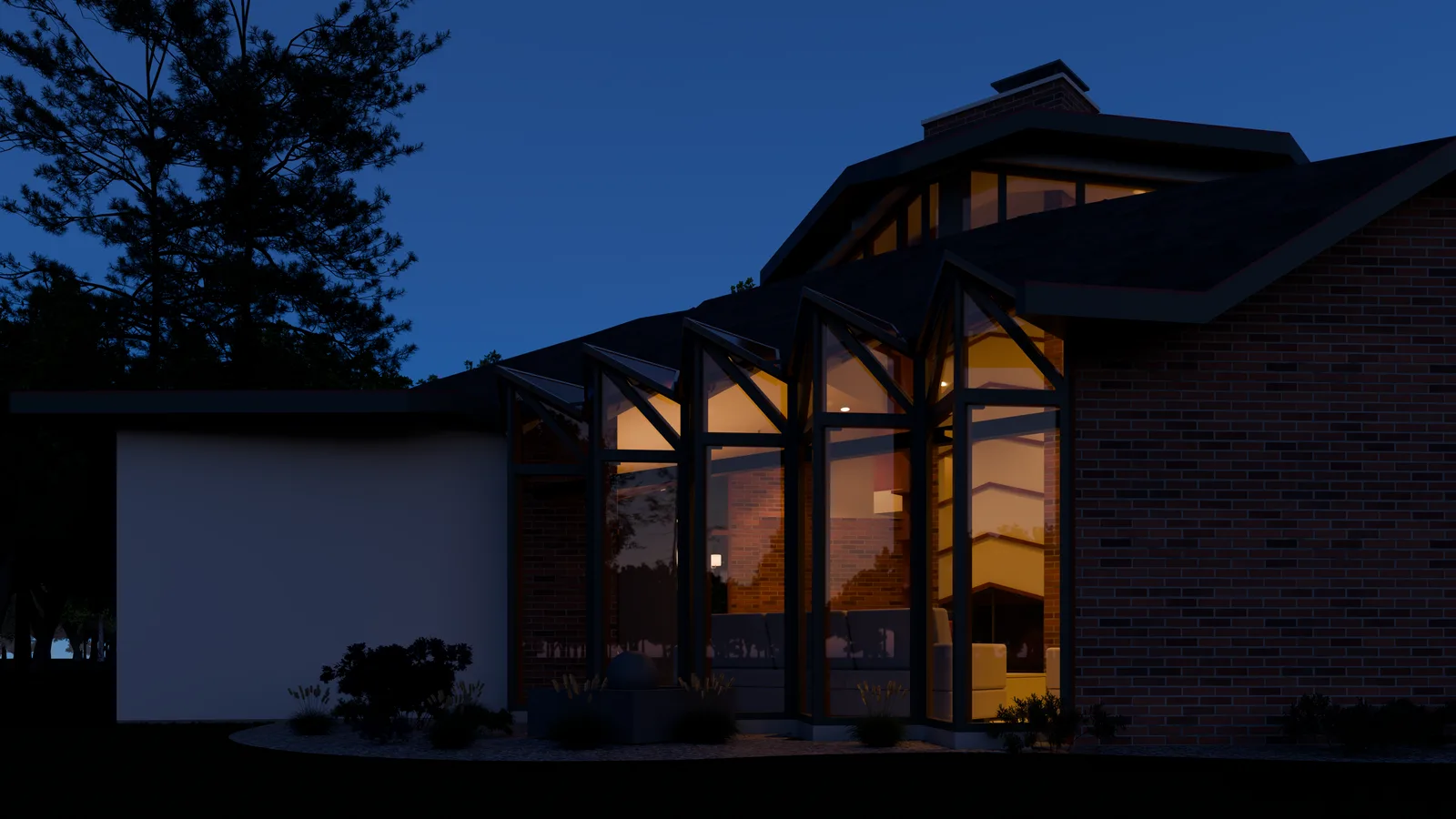
You can watch the film on the MCM Blender House page.
It starts with the evidence
Everything in the model had to trace back to something real. I had three kinds of evidence: the floor plans, five period photos, and dozens of modern listing photos.
The plans came first. I measured them at scale, so one pixel on the plan works out to 22 millimeters. The garage is the check: 332 pixels on the plan comes out to 23 feet 11 inches. Once the scale holds, every wall length is a measurement instead of a guess.
The photos are the second check. A model can match the plans and still look wrong from the street, so the real test is whether a camera in Blender can line up with a real photo and have the house sit on top of it.
Model 1 failed
First up was Claude Fable 5, building from those images. Fourteen versions in, not one camera would line up with the real photos. Parts of the house were still missing: the chimney, a brick pier and the south gable.
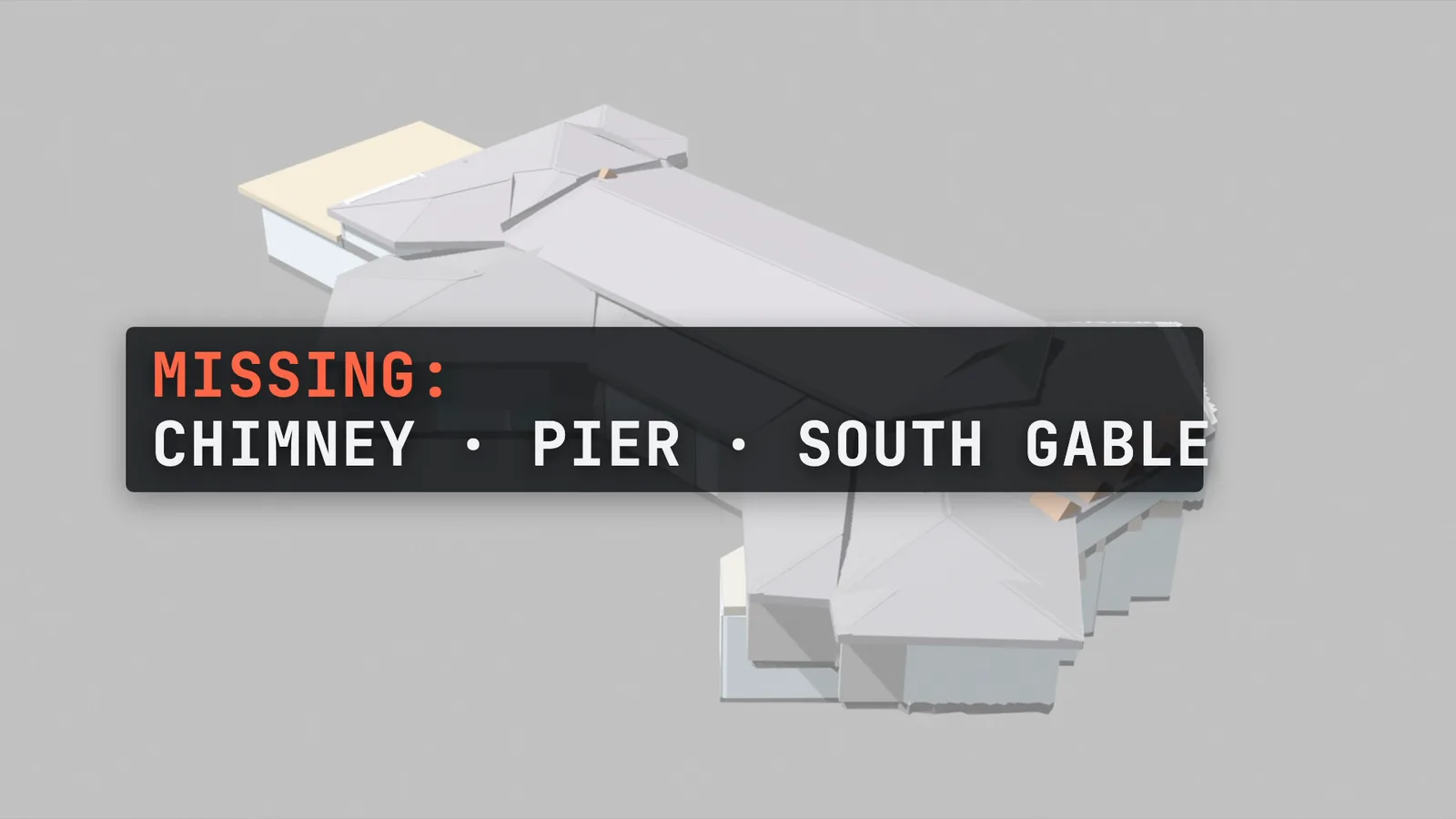
I could have kept pushing. Instead, I handed it off.
The handoff: one check at a time
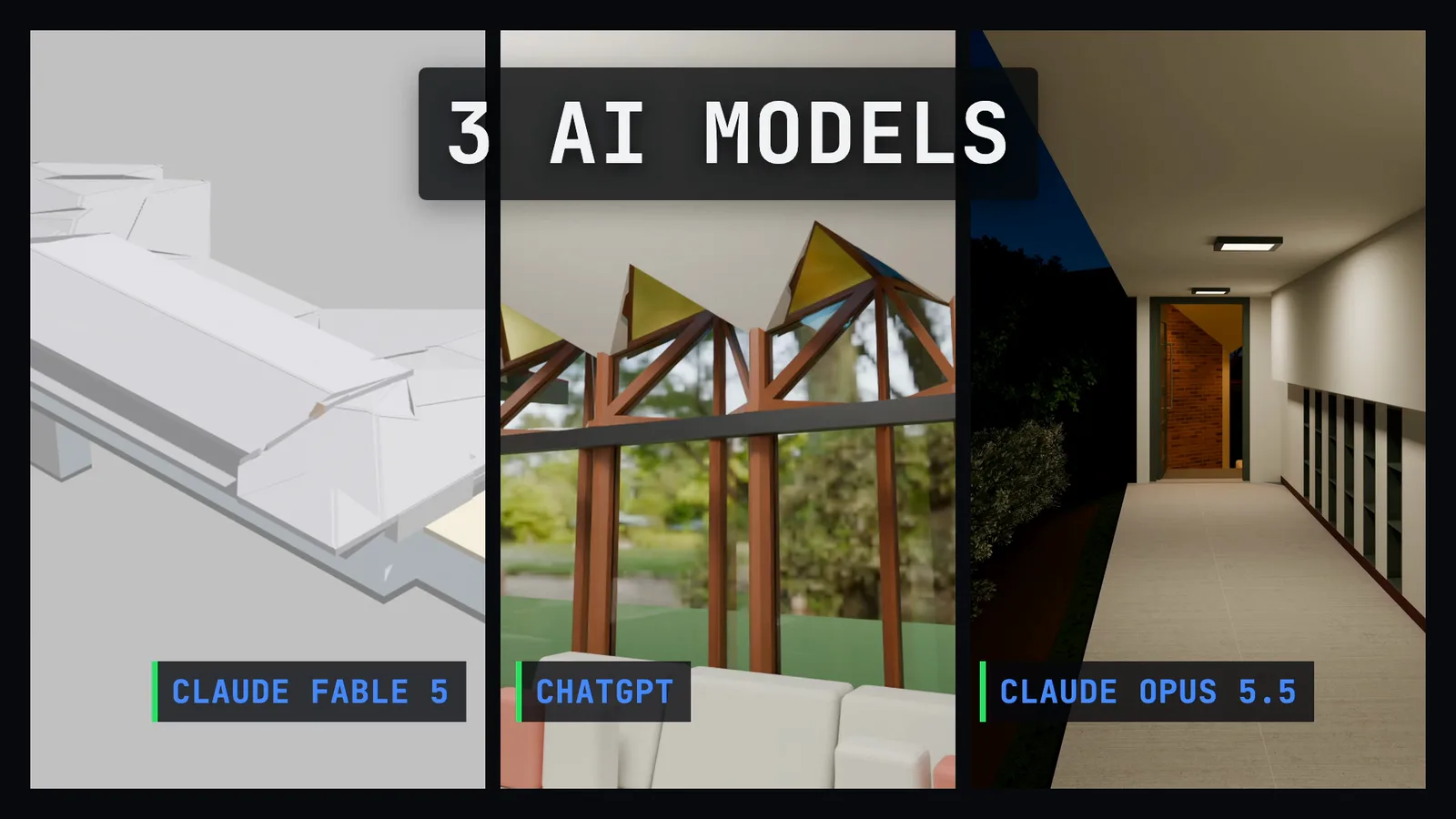
ChatGPT picked up the work and fixed the issues one check at a time. The rule was simple: when a wall didn't match a photo, it got fixed. That turned into more than 300 saved versions of the model.
The finish: materials, glass and light
Claude Opus 5.5 did the finish: the materials, the glass and the light. The sun isn't a guess either. It's placed for a real June evening at the house's location, using NOAA's sun position data, so the light falls where it actually would.
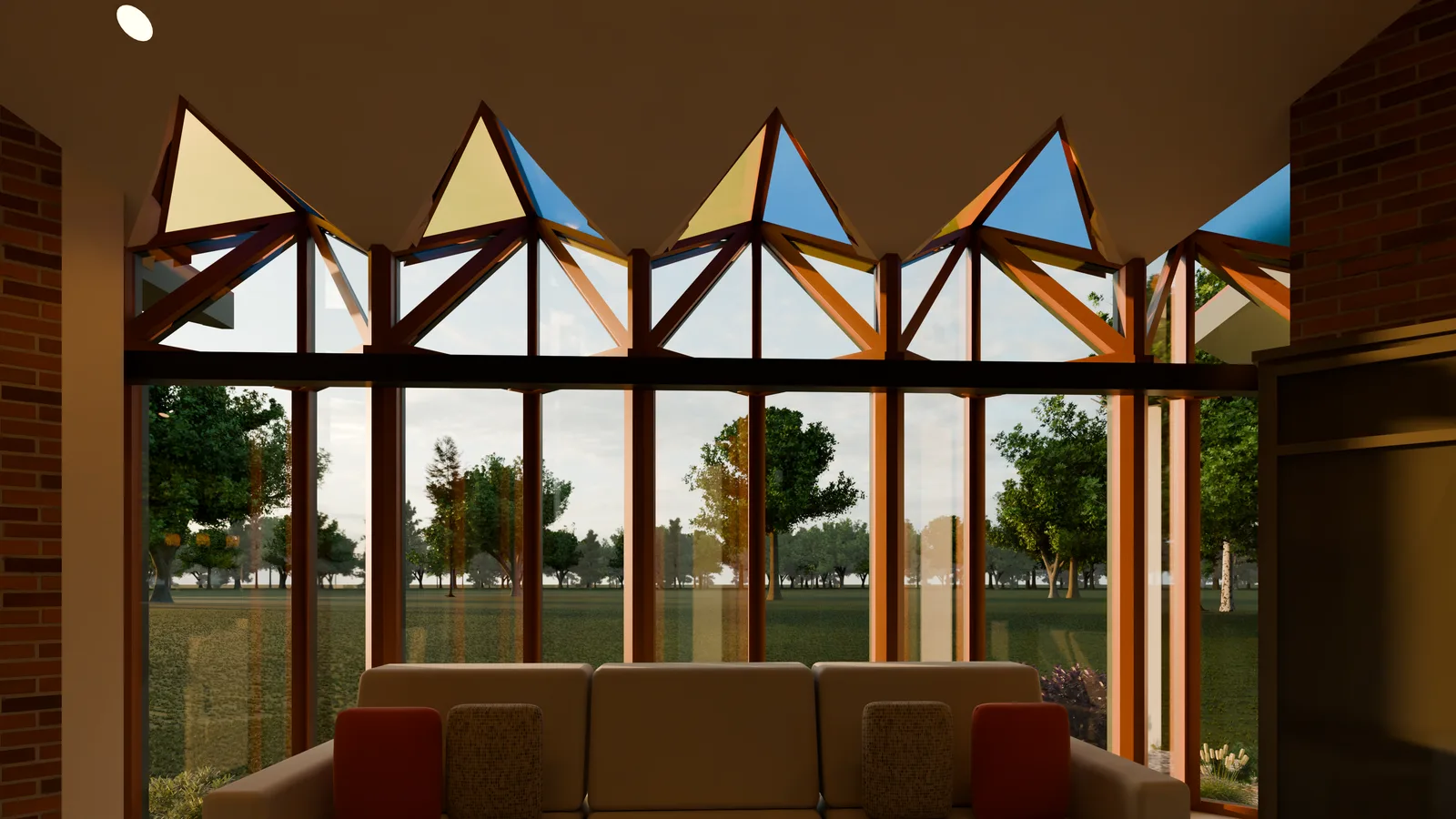
The stills and moving shots were rendered in Cycles on my render PC.
Then AI takes it photoreal, with rules
The last step was an AI image pass to make the renders look like photographs. That step comes with rules: it has to keep the geometry the same, the windows, the roofline and the same camera. If it invents a window or moves a wall, it gets rejected.
The first try broke the rules. It invented a front door and a chimney, and eight windows were gone. Rejected.
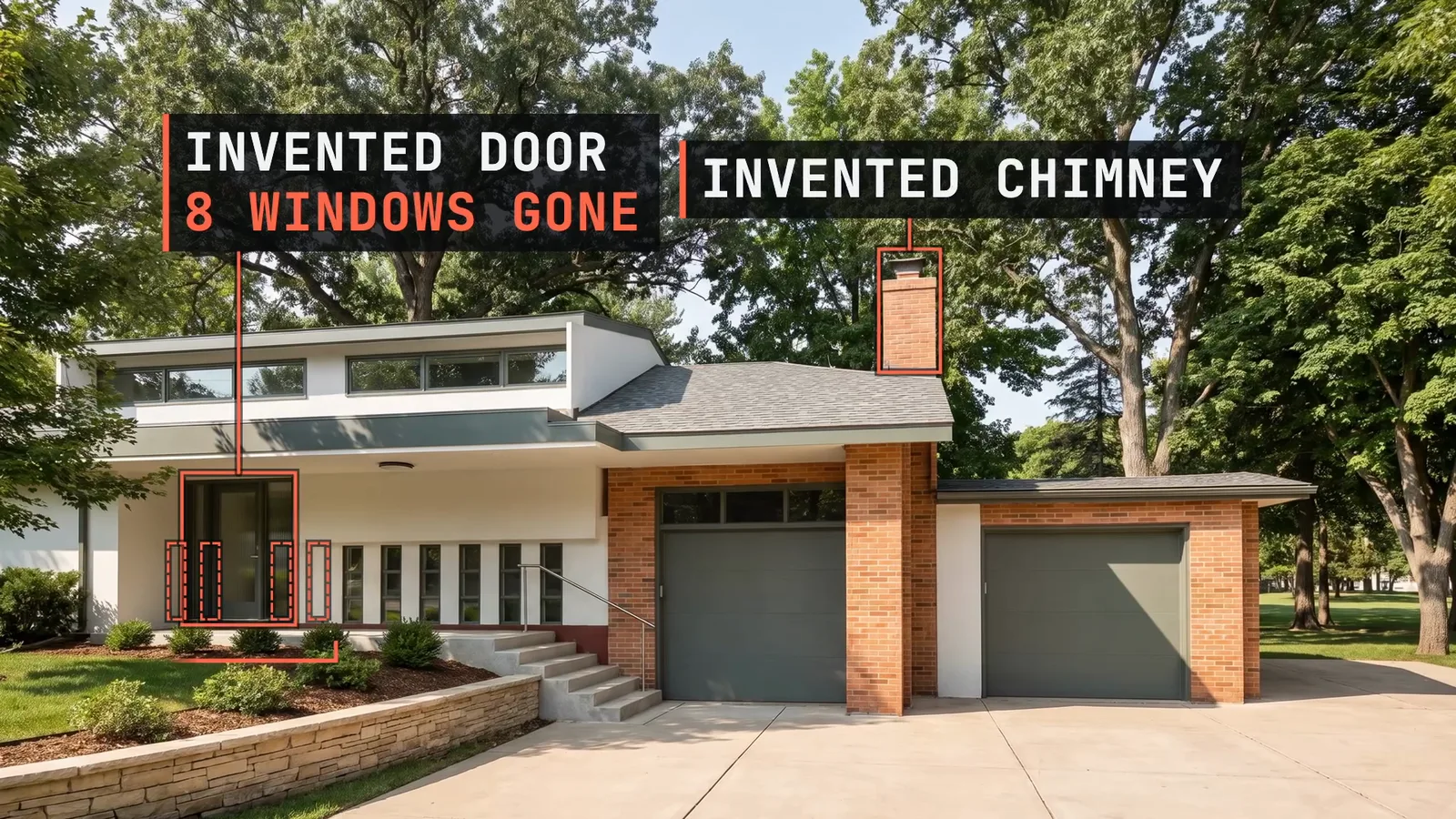
I re-ran it with the front tree hidden. The second try passed.
What it still won't do
Some dimensions are estimates, and a few spots don't match the drawings. Where the evidence ran out, I made a call and marked it instead of hiding it. This is a visual study, not a historical record.
Why the failure stays in
The failure stays in on purpose. It's part of the process. A clean before-and-after hides the most useful part, which is what went wrong and how it got fixed.
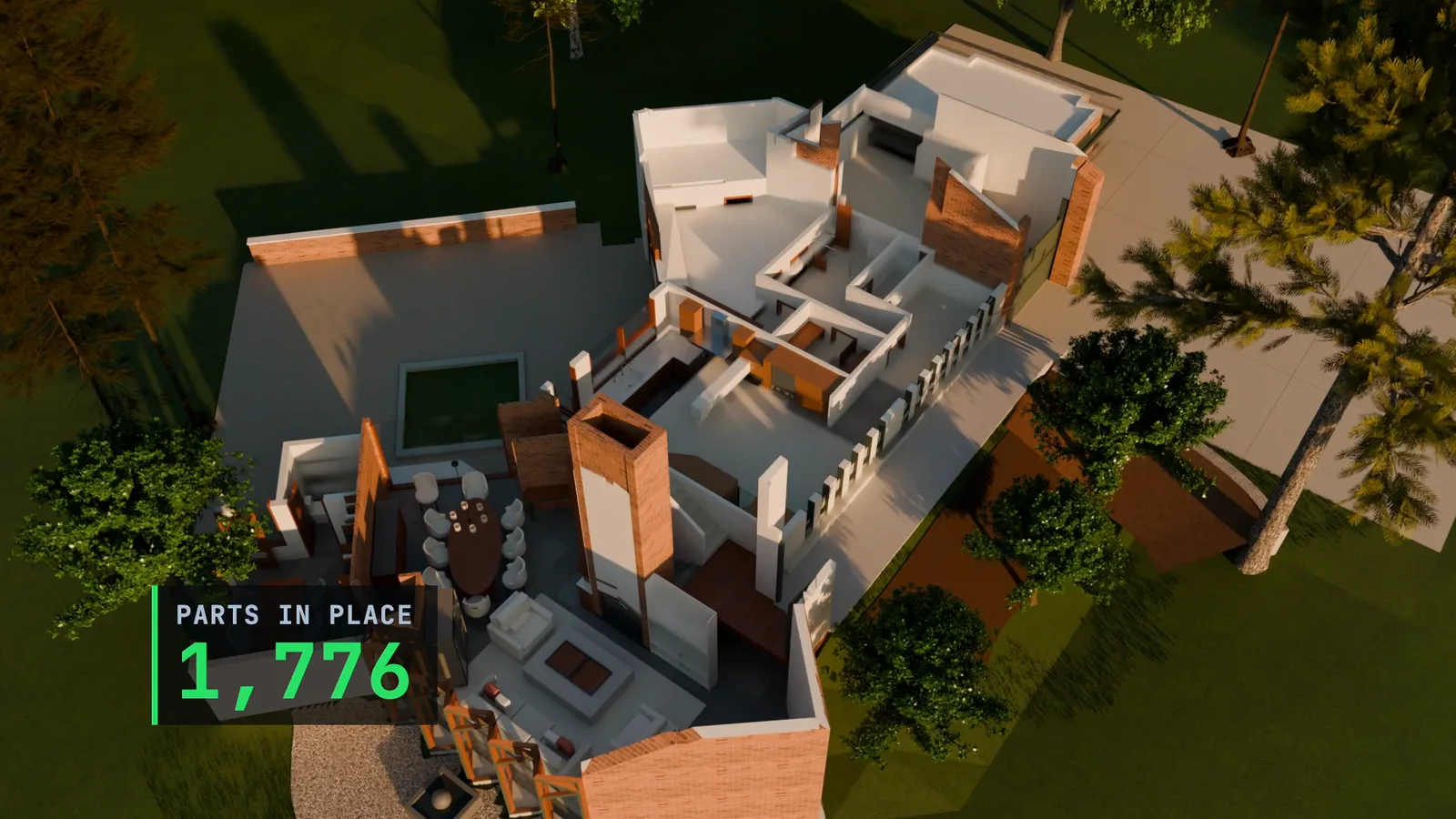
The finished model has 4,725 parts, 116 window panes, 20 doors, 82 textures, and 1,346 trees and plants.
The honest catch: the AI models did the building, but the judgment was still mine. Deciding what counts as a match, which version to keep, and when to stop pushing one model and hand off to another is the real work. And the photoreal pass is a look, not evidence. It's a skin over the model, and as the first try showed, it will happily lie.
Plans and modern photos: listing photography.
What building would you want to see rebuilt?